

Expanding Horizons: A Year of Global Impact, Access and Engagement
This spring, Cal Poly’s International Center continued to strengthen its role as a gateway to global learning, empowering students, faculty and scholars to engage with the world through transformative educational experiences, international partnerships and meaningful cross-cultural connections.
Creating Greater Access to Global Learning
A major theme throughout the year was continuing our efforts to remove barriers to international opportunities. During the 2025-26 academic year, the International Center awarded an unprecedented $866,600 in study abroad scholarships to 404 students helping more students than ever turn their global aspirations into reality. Nearly one in four students studying abroad received scholarship support and all FYGO (Global Opportunities) participants with high need received scholarship assistance.
Continue reading to hear firsthand perspectives from students highlighting the transformative impact of global opportunities — from London to Cape Town to Barcelona and beyond — showcasing the power of integrating academic and international experiences to create meaningful personal and educational growth.
The International Center also expanded access through initiatives designed to support students who may not have previously considered international opportunities. Cal Poly was selected to receive the Institute of International Education’s American Passport Project grant, providing funding for students obtaining their first U.S. passports and helping broaden participation among Pell-eligible and first-generation students. Since the launch of Cal Poly’s Passport Event initiative in 2020, more than 400 students have received passport funding support.
In addition, the Black Student Success Experiential Learning Scholarship continued to advance equitable access by providing financial assistance to help students participate in study abroad and other high-impact experiential learning opportunities with an emphasis on experiences that contribute to Black student success and the advancement of inclusive learning environments for every student.
Celebrating Student Success and Scholarship Impact
We are proud to celebrate the Fulbright U.S. Student grant awardees! Three Cal Poly students and alumni are heading out in 2026-27 to serve as English Teaching Assistants in Germany, Cambodia and Moldova. Three cheers to Isaiah Toth (Philosophy, 2026), James Francucci (Environmental Management and Protection, 2023) and Zoya Meydbray-Gonodanova (Political Science, 2025)! Learn more about their award and about the Fulbright U.S. Student program.
This spring the International Center awarded the USAC Emeritus Scholarship in Honor of Monica Schechter, recognizing Schechter’s 26 years of leadership and advocacy for study abroad at Cal Poly. The scholarship will support student Gabriel T. as he studies literature at the University of Reading in England, extending Schechter’s legacy of opening doors to life-changing international experiences.
Advancing Global Research and Faculty Excellence
The International Center celebrated significant faculty achievements this year, including multiple Cal Poly faculty members receiving prestigious Fulbright U.S. Scholar awards. These honors reflect Cal Poly’s growing influence in international teaching, research and cross-cultural collaboration while advancing the university’s mission of global engagement through scholarship.
We further share highlights of the experience of visiting scholar Vivienne Nicole Panebianco, a Ph.D. student from the University of Catania in Sicily. Through her research on sustainable agriculture and bio-based fertilizers, Panebianco demonstrates how international collaboration and interdisciplinary research can contribute to addressing some of the world’s most pressing sustainability challenges.
Building a More Globally Engaged Campus
Throughout the spring, campus events brought students, faculty and staff together to explore global issues and strengthen international partnerships.
The 2026 International Engagement Symposium showcased innovative research, collaborative projects and emerging opportunities across disciplines, reinforcing the importance of global perspectives within Cal Poly’s Learn by Doing philosophy. The event culminated with a powerful performance by local Taiko drumming ensemble Ichimi Daiko.
The International Center also welcomed internationally recognized conservationist Dr. Laurie Marker, founder of the Cheetah Conservation Fund, for a public lecture focused on wildlife conservation, sustainability and community-based solutions. Her visit connected the campus community to global conversations about biodiversity, environmental stewardship and sustainable development.
Looking Ahead
The accomplishments highlighted in this newsletter reflect more than a successful year —they demonstrate the power of global engagement to transform lives, expand perspectives and strengthen communities.
Whether through scholarships that make study abroad possible, faculty research that bridges continents, visiting scholars who bring new ideas to campus or programs that connect students to the wider world, the International Center continues to create and facilitate opportunities that prepare globally minded leaders for an increasingly interconnected future. Together, these efforts advance Cal Poly’s mission of Learn by Doing — locally, nationally and around the globe.
In partnership,
Cari Vanderkar, Ph.D.Assistant Vice Provost for International Programs, Senior International Officer
International Center Continues to Close Access Gap in Global Education
This academic year, the International Center awarded $866,600 in scholarships, reaching a new milestone in bridging the gap in access to study abroad. In total, 404 students received financial assistance — that’s one in four students receiving scholarship support. This year, flight credits were awarded to all 48 students participating in the First Year GO (Global Opportunities) program in Seville, Spain and 83% received additional scholarships, with all students identified as having financial need receiving at least $7,000 in financial aid to offset program expenses.
“High-impact opportunities like studying abroad are hallmarks of higher education,” said Stacey Shimizu, assistant director of the International Center. “Scholarship support removes barriers to these life-changing experiences, opening doors for students who might not otherwise have thought global learning possible.”
For many students, studying abroad is a transformative opportunity to expand their cultural aperture and deepen their perspective of the world. This resonated for Andrea, a city and regional planning student on the fall 2025 CIEE Cape Town, South Africa program: “My goal while studying abroad was to learn how cities like Cape Town deal with inequality and the lasting effects of segregation. As a city and regional planning major with a minor in sociology, I was interested in how urban design supports equity and inclusive, community-driven solutions. [Studying abroad] was a step toward [becoming] the kind of person and professional I [aspire to be]: someone who listens, learns and works toward creating cities where all people can thrive.”
Building on this success, the International Center aims to continue closing the access gap. With continued donor support and a strong commitment to global learning, the future of international education opportunities looks brighter than ever.
Cal Poly Faculty Earn Fulbright Honors, Expanding Global Reach of Research and Collaboration
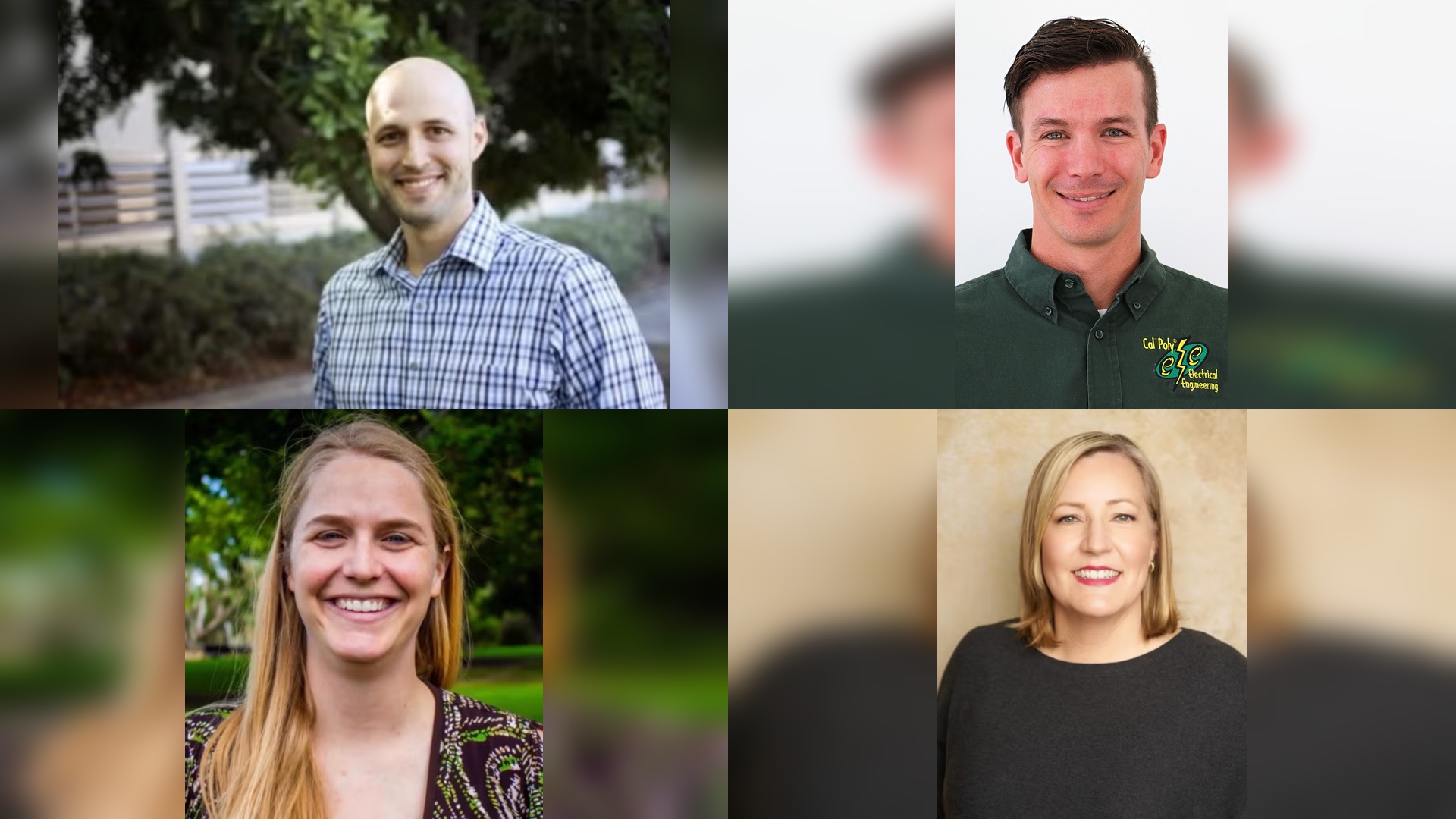
Cal Poly’s global impact is growing once again. Three faculty members have been selected for the prestigious Fulbright U.S. Scholar Program for the 2026 academic year, with an additional faculty member named as an alternate — a recognition that highlights the university’s continued leadership in international research, teaching and cross-cultural collaboration.
The Fulbright U.S. Scholar Award is among the nation’s most respected international exchange honors, supporting faculty and professionals conducting research and teaching abroad. This year’s recipients represent a wide range of disciplines united by a shared commitment to innovation, partnership and global engagement.
Building Bridges Through Education, Communication and Science
Natasha Neumann, associate professor and co-coordinator of the M.S. Educational Leadership and Administration Program in the School of Education, will travel to Spain as part of her Fulbright award. Hosted by Universidad CEU Cardenal Herrera in Valencia, Neumann will explore how multilingual education systems shape policy, leadership and teaching practices in both Spain and the United States. Her project aims to deepen understanding around educational equity and cross-cultural learning.
In Japan, David Askay, professor of communication studies in the College of Liberal Arts, will partner with Ritsumeikan University to study how embracing ambiguity — a concept known in Japan as yuragi — can strengthen creativity and collaboration within teams. Alongside his research, Askay will teach courses focused on design thinking and learning from failure while also helping to lay the groundwork for future student exchange opportunities between Cal Poly and Ritsumeikan University.
Meanwhile, Jasmine Nation, professor in the Liberal Studies Department in the Bailey College of Science and Mathematics, will head to Chile to collaborate with colleagues at the Universidad del Bío-Bío. Her project, “Science Teachers as Researchers: Learning from Place-Based Science,” centers on advancing cross-cultural science education through community partnerships, graduate instruction and teacher-led research initiatives.
Advancing Innovation in Engineering Research
Cal Poly also celebrates Clay McKell, who was named a Fulbright U.S. Scholar alternate to Austria. His proposed research with the University of Klagenfurt focuses on improving energy efficiency in Internet of Things (IoT) communication networks through game-theoretic protocol design — work with promising implications for future wireless technologies.
A Community Effort Behind Global Achievement
“These awards highlight the exceptional caliber of Cal Poly’s faculty and their dedication to addressing global challenges through research, teaching and collaboration,” said Cari Vanderkar, assistant vice provost for International Programs and Cal Poly’s senior international officer. “We are proud of their achievements and the impact their work will have both internationally and within our campus community.”
Cal Poly’s continued success in the Fulbright program reflects a strong culture of mentorship and institutional support. Vanderkar serves as the university’s Fulbright Scholar liaison, helping guide applicants through the competitive process. Faculty also benefited from the mentorship and advocacy of Nishi Rajakaruna, professor of biological sciences, Fulbright U.S. Scholar Alumni Ambassador and faculty fellow with the National and International Fellowships and Scholarships (NIFS) program.
Together, the International Center and NIFS continue to strengthen opportunities for faculty and students to engage globally through research, scholarship and international partnerships.
The achievements of this year’s Fulbright honorees reinforce Cal Poly’s commitment to Learn by Doing in a global context.
Mustangs Without Borders: Three Cal Poly Alumni Earn Fulbright Teaching Assistantships
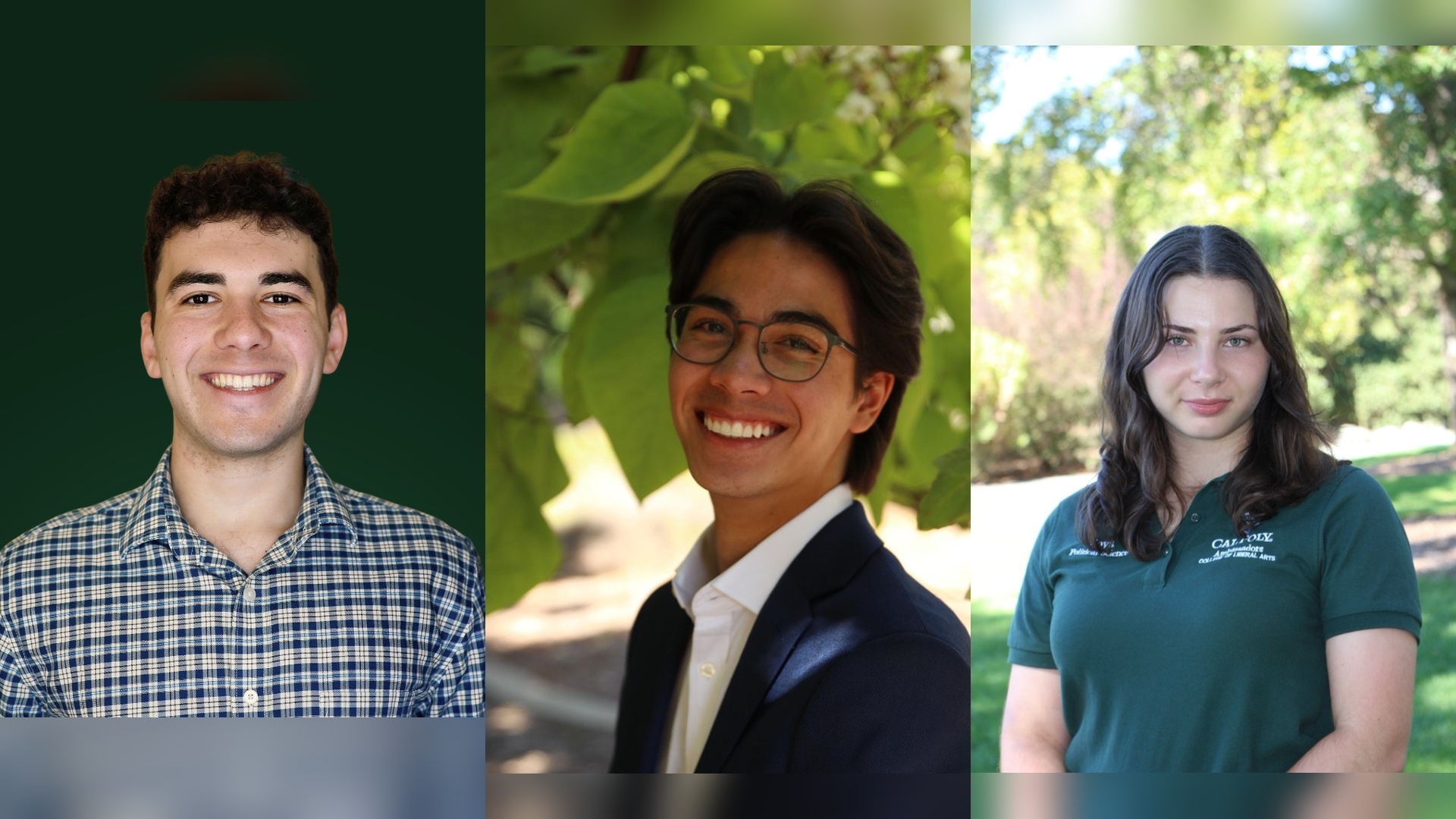
Three Cal Poly alumni are preparing to take their Learn by Doing experiences around the globe after earning prestigious Fulbright U.S. Student Program English Teaching Assistantships (ETAs). Through the Fulbright Program, Isaiah Toth, James Francucci and Zoya Meydbray-Gonodanova will spend the coming academic year supporting English language instruction while serving as cultural ambassadors in Germany, Cambodia and Moldova, respectively.
Toth (philosophy, Class of 2026) will be based in Bavaria, Germany, where he will work alongside local educators to support English language learning in schools. Beyond the classroom, he will participate in Fulbright’s mission of fostering mutual understanding through cultural exchange, sharing perspectives from the United States while learning from his students and the surrounding community.
Francucci’s path to Fulbright has been marked by a strong commitment to service. After graduating from Cal Poly (environmental management and protection, Class of 2023), he completed a year as an AmeriCorps VISTA and is currently serving as a Peace Corps Volunteer in the Philippines through the Coastal Resource Management program. As a Fulbright ETA in Cambodia, he will support English instruction while building meaningful connections with students, educators and community members through cross-cultural engagement.
In Moldova, Meydbray-Gonodanova (political science, Class of 2025) will assist with English language instruction under the guidance of a local teacher, helping students strengthen their conversation, vocabulary, reading and writing skills. A multidisciplinary scholar, she earned a degree in political science while also completing minors in philosophy, sustainable environments, law and society, and ethics, public policy, science and technology. Her Fulbright experience will allow her to further her interests in international education, cultural exchange and public service while supporting students in Moldova.
“We are proud to celebrate an extraordinary achievement by Zoya,” said Nishi Rajakaruna, coordinator for National and International Fellowships and Scholarships (NIFS) at Cal Poly. “She has most likely become the first student in university history to earn three of the nation’s most prestigious and competitive international education awards: the Critical Language Scholarship (2025), through which she studied Russian in Latvia; a Fulbright English Teaching Assistantship to Moldova; and the highly selective Princeton in Asia Fellowship, where she was selected to teach English in Uzbekistan.”
The Fulbright U.S. Student Program is one of the nation’s most prestigious international exchange programs, providing opportunities for recent graduates to teach, conduct research and build global connections. As Toth, Francucci and Meydbray-Gonodanova embark on their Fulbright journeys, they continue a proud Cal Poly tradition of applying their knowledge, service and curiosity to make an impact around the world.
Students and alumni interested in learning more about the Fulbright U.S. Student Program are encouraged to connect with Cal Poly’s Fulbright advising team: Cari Vanderkar, Fulbright program advisor; Sara Otis, Fulbright program advisor; and Nishi Rajakaruna, coordinator of National and International Fellowships and Scholarships (NIFS). These advisors provide guidance throughout the application process and support students pursuing Fulbright and other nationally competitive awards.
Chasing Survival: International Center Hosts World-Renowned Cheetah Conservation Leader
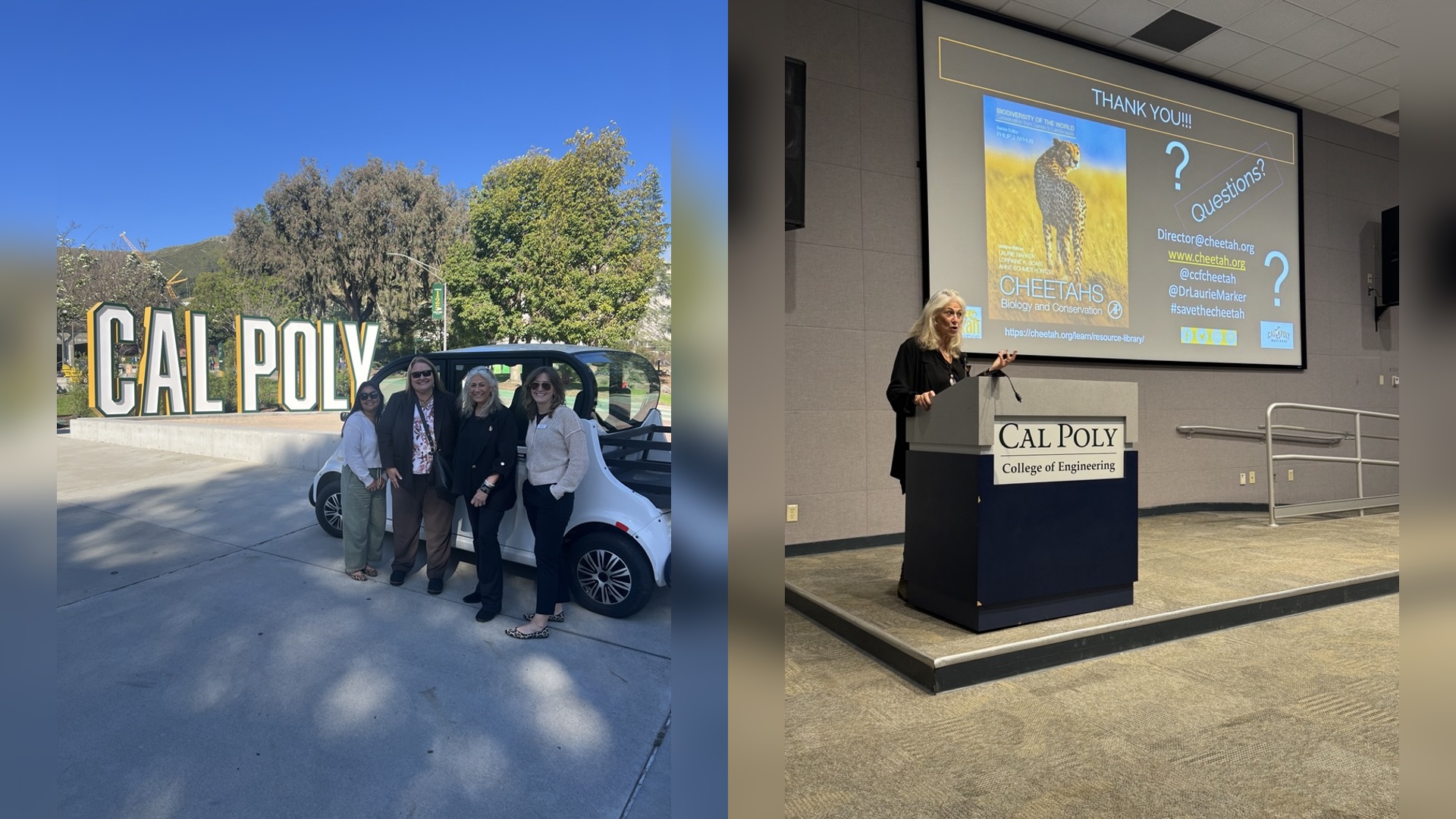
The International Center welcomed internationally recognized conservationist Laurie Marker to campus April 23 for an inspiring public lecture exploring the intersection of wildlife conservation, science and community impact.
Members of both the campus and Central Coast community joined us in the ATL/Keck Lab for Chasing Survival: Cheetahs, Communities and Conservation, which invited attendees to learn about the global effort to protect one of Africa’s most iconic — and endangered — species: the cheetah.
Marker, founder and executive director of the Cheetah Conservation Fund (CCF) in Namibia, is widely regarded as one of the world’s leading voices in wildlife conservation. Through decades of research and advocacy, she has developed innovative approaches that combine scientific research, education and community partnerships to address the root causes of wildlife decline.
During the lecture, Marker shared how conservation efforts can strengthen both ecosystems and human livelihoods. Drawing from her work with CCF, she highlighted projects ranging from cutting-edge genetics research to livestock guardian dog programs that help reduce conflict between farmers and cheetahs. She also discussed Bushblok, an innovative habitat restoration enterprise that removes invasive thorn species while creating sustainable economic opportunities for local communities.
Marker emphasized the importance of viewing conservation through a broader lens, one that recognizes the deep connections between people, wildlife and the environment. Her message underscored how sustainable solutions can protect biodiversity while supporting communities that coexist with endangered species.
Marker founded the Cheetah Conservation Fund in 1990 and earned her doctorate in zoology from the University of Oxford in 2002. Today, CCF serves as a global model for conservation efforts rooted in research, collaboration and long-term sustainability.
Co-sponsored by Cal Poly’s Bailey College of Science and Mathematics, the event reflected the International Center’s ongoing commitment to enriching Learn by Doing through conversations with leading global experts.
Bridging Perspectives: International Engagement Symposium Strengthens Global Connections
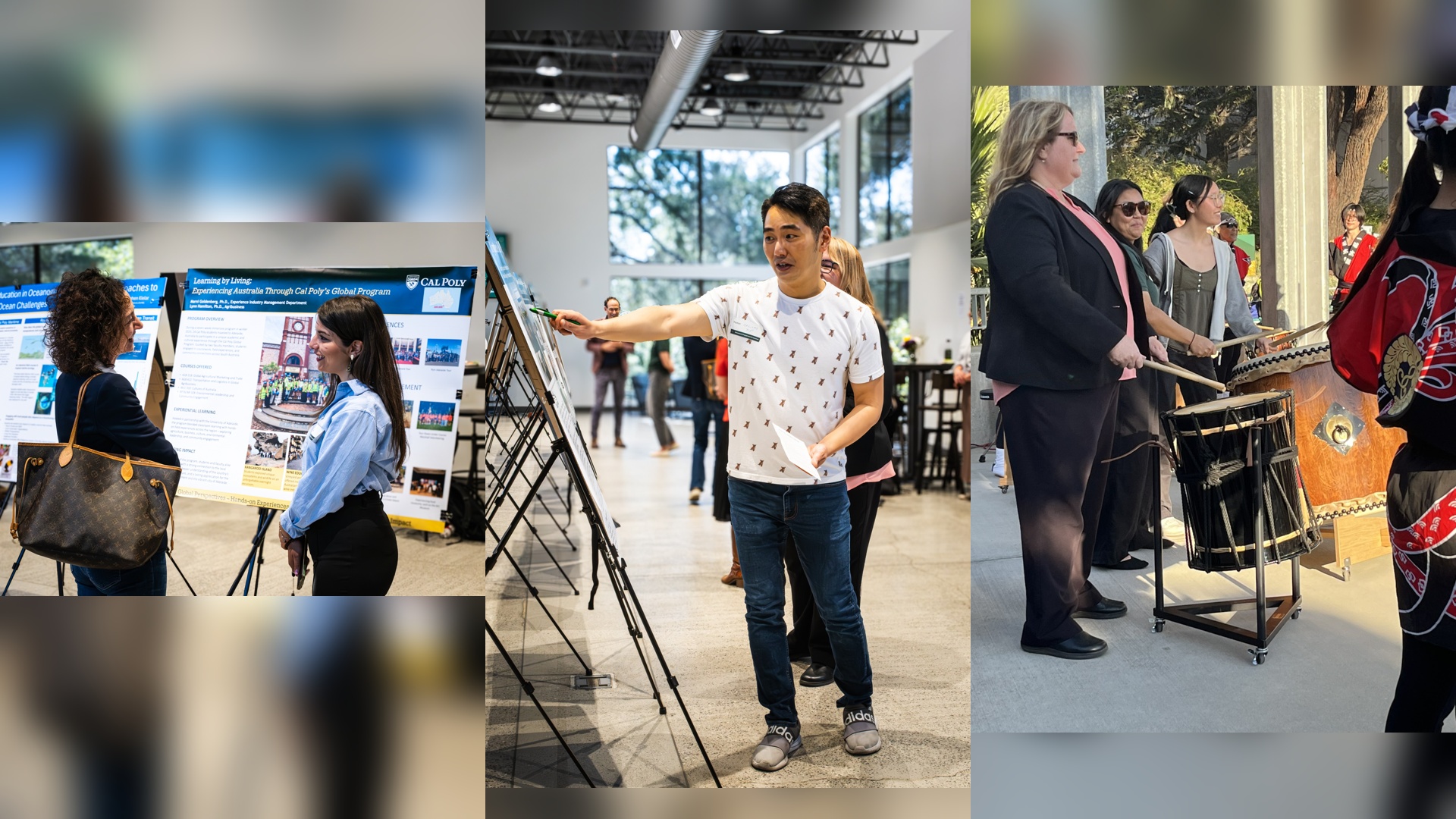
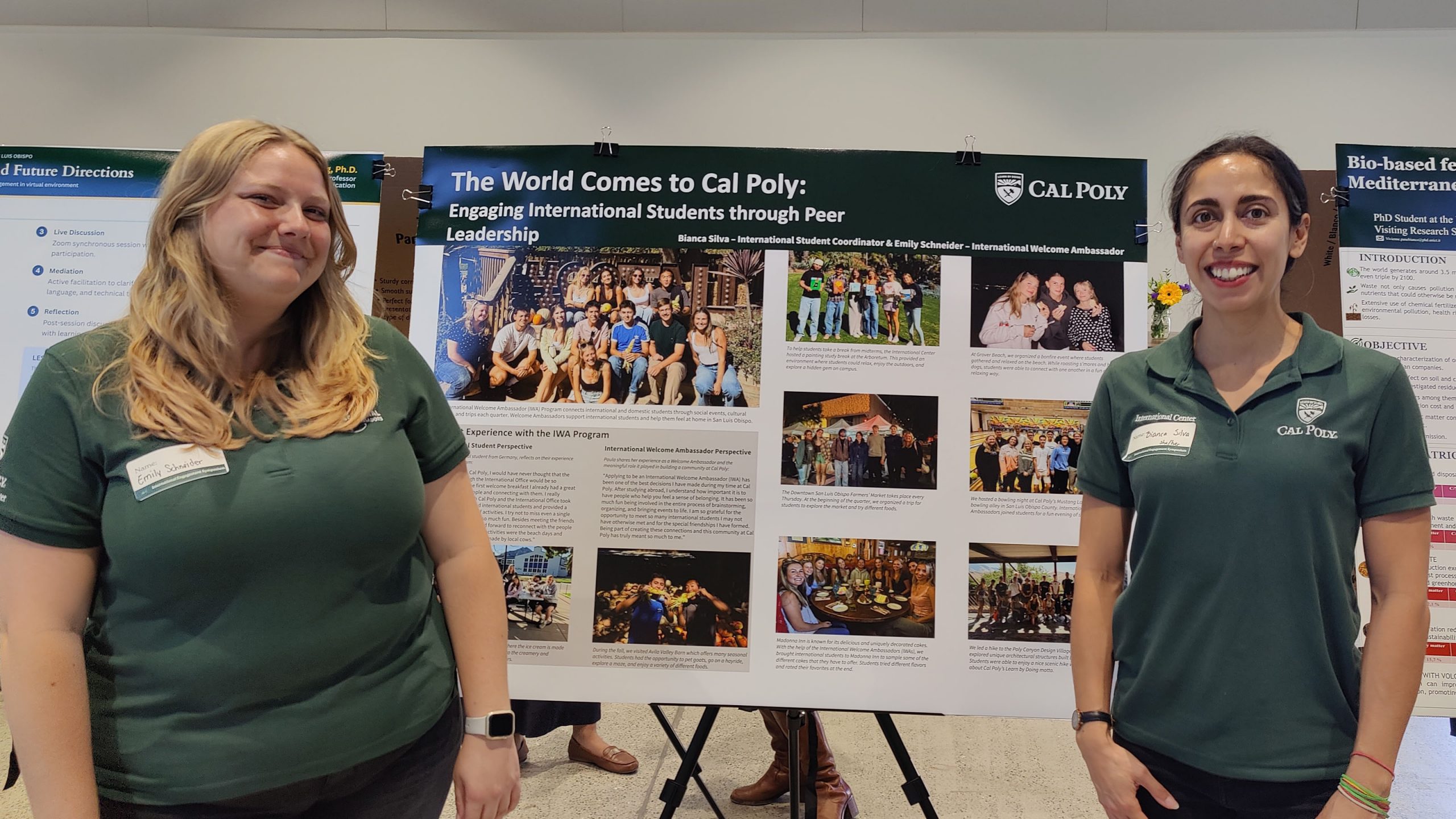
On May 6, the International Center welcomed faculty and staff to the 2026 International Engagement Symposium, held at 1901 Marketplace Pavilion. Each year, the Symposium brings together experts, thought leaders and visionaries from across campus to explore opportunities for cultural and academic exchange.
“I always look forward to the Symposium because it brings together so many passionate, globally minded members of our campus community,” said Cari Vanderkar, assistant vice provost of international programs and senior international officer. “Events like this create space for meaningful conversations, new collaborations and shared learning experiences that strengthen connections across Cal Poly — including our growing partnership with Cal Poly Maritime Academy — and enrich the Learn by Doing experience for our students.”
This year’s program featured keynote remarks from distinguished faculty Nishi Rajakaruna, professor of biological sciences and faculty fellow of national and international fellowships and scholarships, Xiaoying Rong, professor and chair of graphic communication and Alexander Parker, professor and chair of oceanography at Cal Poly Maritime Academy.
Attendees also had the opportunity to explore poster sessions, connect with fellow globally minded colleagues and enjoy light refreshments throughout the afternoon.
Following the symposium, guests gathered at the UU Amphitheater for a vibrant live performance by local Taiko drumming ensemble Ichimi Daiko. The event, held in celebration of Asian/Pacific American Heritage Month, was co-sponsored by the Cal Poly Music Department, the Japanese Student Association and the APIDA Faculty/Staff Association.
The International Center extends its gratitude to the Cal Poly Office of Research for supporting this year’s symposium and helping advance opportunities for interdisciplinary collaboration across campus.
From Sicily to California: A Sustainable Research Exchange
By Vivienne Nicole Panebianco
Ph.D. Student at the University of Catania, Visiting Research Scholar at Cal Poly
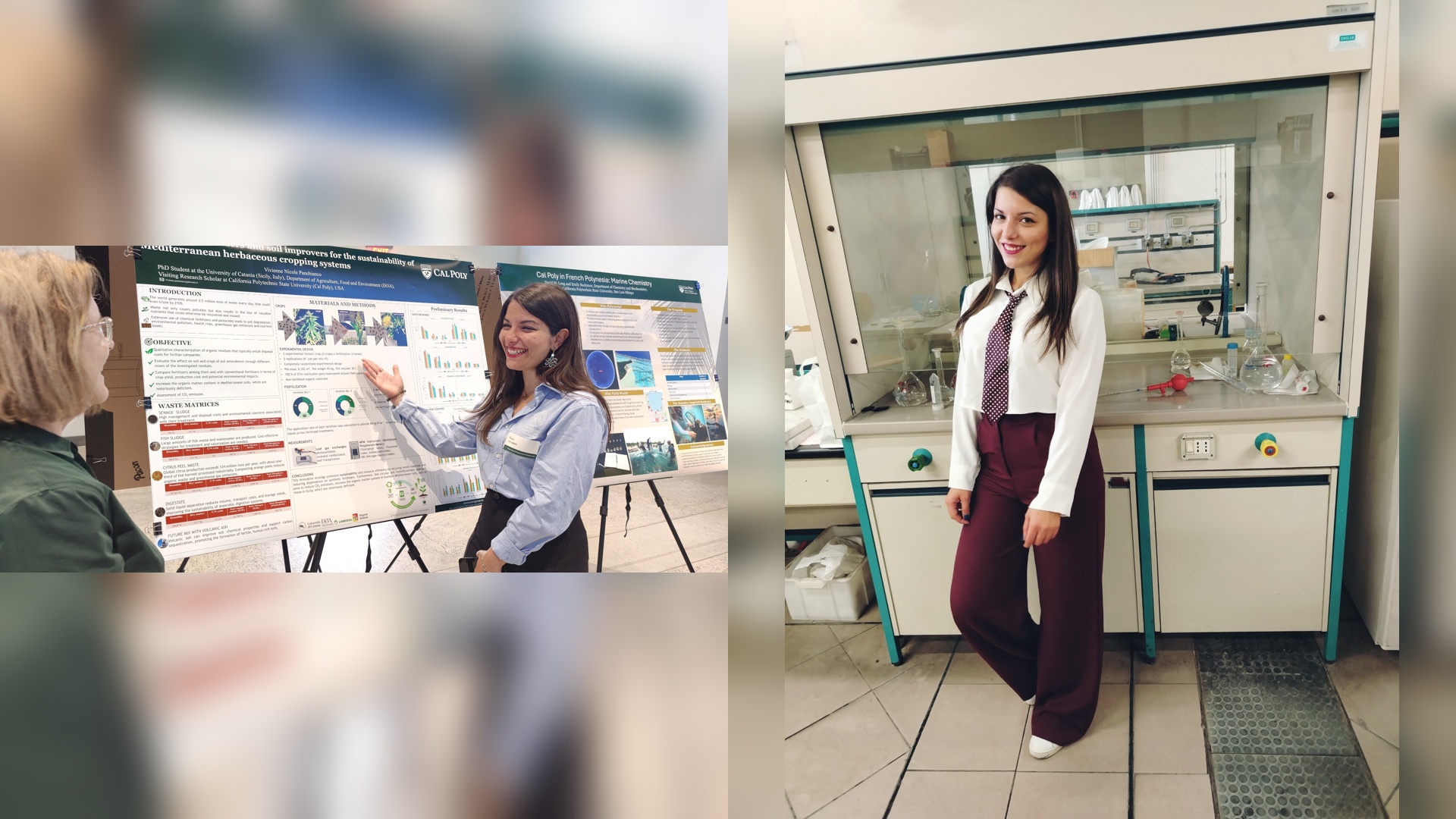
I was born and raised in Catania, on the eastern coast of Sicily, a region long known for its strong agricultural tradition. It is within this context that my academic journey in Food, Agricultural and Environmental Sciences, first through my bachelor’s and master’s degrees at the University of Catania, and later through research experiences that gradually shaped my scientific profile. In July 2024, I began my PhD project entitled “Bio-based fertilizers and soil improvers for the sustainability of Mediterranean herbaceous cropping systems.”
My research addresses one of the most pressing challenges in modern agriculture: increasing food production while preserving environmental sustainability. Today’s agricultural systems face the dual pressure of rising global food demand and ongoing soil degradation, often linked to the intensive use of chemical fertilizers.
Within this framework, I often reflect on the concept of “Spaceship Earth,” popularized by Buckminster Fuller, which views the Earth as a closed and interconnected system where resources must be carefully and responsibly managed. This perspective highlights the responsibility of researchers to contribute to the long-term resilience of agroecosystems. Accordingly, my PhD project focuses on developing innovative bio-based fertilizers derived from organic waste streams, including sewage sludge, fish sludge, volcanic ash, orange peel residues and microalgae. These materials, typically considered waste, are reimagined as valuable resources within a circular economy framework. Through controlled experimental trials on crops such as hemp, sorghum and safflower, my research evaluates the performance of different organic mixtures compared to conventional fertilizers, with particular attention to improving soil health and reducing CO₂ emissions.
My decision to undertake a research period at California Polytechnic State University was inspired by a visit from Ashraf Tubeileh from the Plant Sciences Department to my home institution. That encounter emphasized the importance of engaging with an international research environment as a way to broaden both scientific and professional perspectives. With the support of my Italian supervisors, I chose to step beyond my familiar academic setting and immerse myself in a global research community. The work I am carrying out here closely aligns with my doctoral research and represents both a continuation of my academic path and a valuable opportunity for personal and intellectual growth.
Relocating to the United States presented several challenges, including adapting to a new time zone, cultural context and academic system, as well as managing practical aspects such as securing housing from abroad. However, the support provided by the International Students and Scholars office has been essential in making this transition smooth and welcoming. Their guidance throughout administrative processes, along with initiatives such as the weekly Thursday coffee breaks, has created meaningful opportunities to connect with researchers from diverse backgrounds and build an international professional network.
Looking ahead, I am eager to further develop my experimental research, strengthen my analytical skills and engage with interdisciplinary approaches that can enhance the impact of my work. Beyond the laboratory, I am equally excited to explore California’s diverse agricultural systems, innovative practices and cultural landscape. Ultimately, my goal is to return to my home institution with an enriched set of skills and perspectives, contributing to the advancement of sustainable agriculture and supporting the transition toward more resilient agroecosystems within the broader framework of our shared “Spaceship Earth.”
Black Student Success Scholarship Opens Global Opportunities for Cal Poly Students
This year, Cal Poly launched the Black Student Success Initiative (BSSI) Experiential Learning Scholarship, a new funding opportunity that invests in high-impact educational experiences that advance students’ academic achievement, persistence, belonging and leadership development.
Grounded in the CSU Black Student Success Initiative, the scholarship funds participation in study abroad, domestic study away and service-focused experiential programs that foster cultural competence, strengthen academic pathways, promote career readiness and cultivate a sense of belonging. These transformative experiences contribute to an inclusive, equitable learning environment that enhances Black student success while creating pathways for students to engage with diverse communities, histories and ways of thinking.
Targeted scholarships ranging from $500 to $5,000 were made available to help offset program costs and remove barriers to participation in experiential learning opportunities. Awards were made available to all interested in applying, regardless of race, sex, color, ethnicity or national origin.
The initiative resulted in 30 students participating in enriching experiences abroad and in the U.S., including 19 students on study programs both to international destinations and through National Student Exchange at Historically Black Colleges and Universities (HBCUs) and 10 students on Alternative Breaks programs in New Orleans and Cape Town, South Africa, offered through the Center for Service in Action.
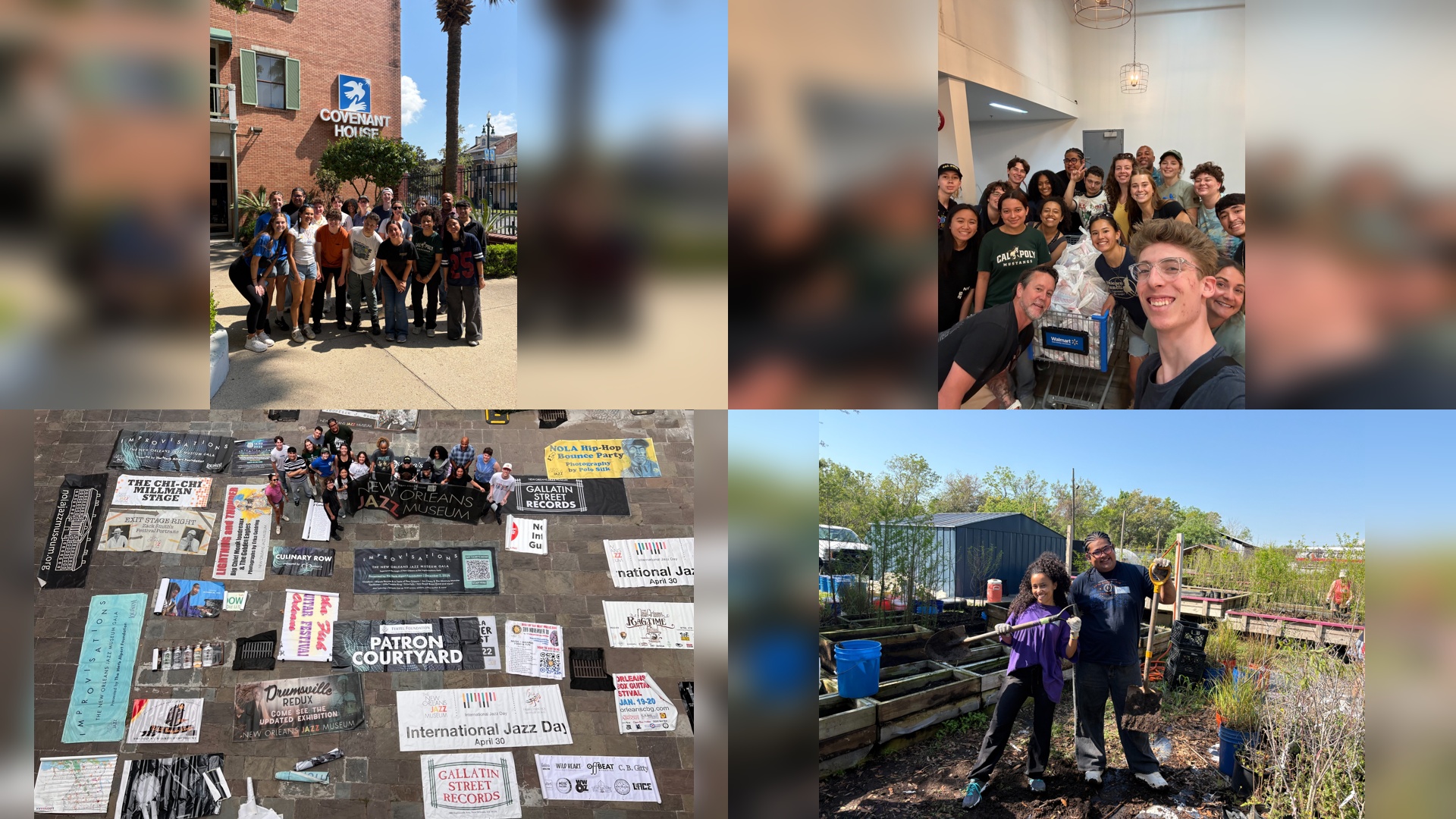
Students participating in the Alternative Break trip to New Orleans this past March spent the week making an impact on local communities while gaining a deeper understanding of the social, environmental and cultural issues shaping the region. From preparing and distributing meals to unhoused individuals to supporting at-risk youth at Covenant House through clothing donations, to helping restore coastal ecosystems by bagging oyster shells and planting cypress seeds, to archiving vintage concert posters at the New Orleans Jazz Museum in an effort to preserve the city’s vibrant cultural legacy — students engaged in hands-on service learning that addressed critical community needs and worked to build lasting connections with one of America’s most musically and historically significant cities.
Through invaluable experiences like these, more students are able to build the skills, confidence and global perspectives needed to succeed academically and professionally in an increasingly interconnected world. Beyond enriching their educational journeys, these experiences promote leadership, resilience and professional readiness while encouraging students to explore the connections between identity, culture, community and belonging.
A Lasting Legacy: New Scholarship Honors Monica Schechter’s 26 Years of Impact
For many students, studying abroad can be life-changing — but financial barriers can stand in the way. This February, the International Center announced the USAC Emeritus Scholarship in Honor of Monica Schechter in the amount of $5,000 in support of students participating in USAC partner study abroad programs.
Monica Schechter, who served as associate director of study abroad at Cal Poly’s International Center for 26 years, helped inspire thousands of students to step beyond their comfort zones to pursue international experiences that expanded their academic, professional and personal horizons — creating opportunities and memories that would shape their lives long after returning home. “I’m humbled and honored to be selected for the USAC Emeritus Award for 2026,” said Schechter. “Collaborating with USAC and connecting Cal Poly students to transformational study abroad experiences was one of the most rewarding highlights of my career in international education.”
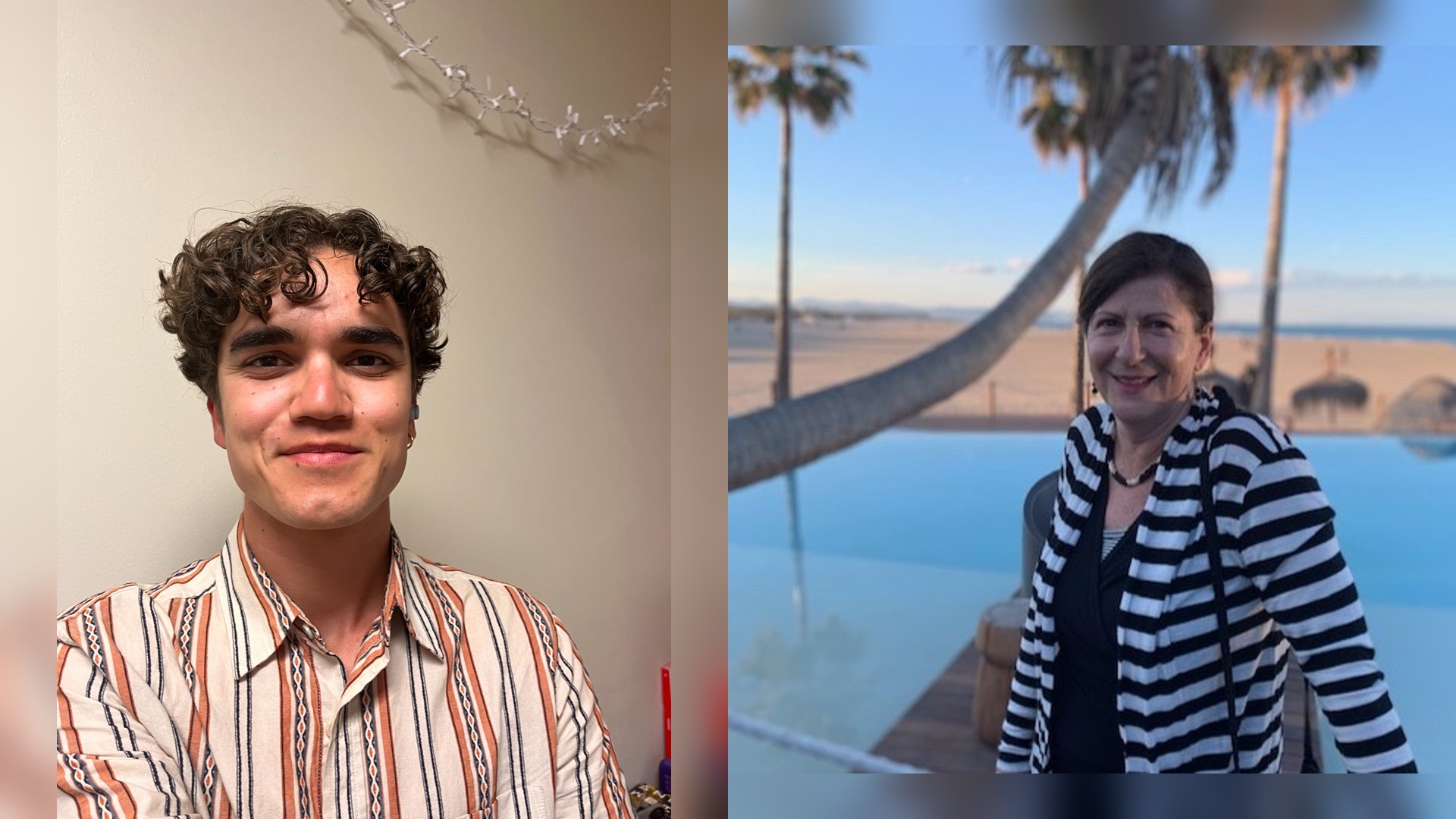
Recipient Gabriel Torres, an English major, will use the award to support his upcoming study abroad experience in Reading, England, where he will study literature at the University of Reading. Reflecting on the award announcement, Schechter says Torres “will be an exemplary ambassador for Cal Poly, USAC and the U.S.” Hear from Gabriel in his own words below as he shares what this opportunity means to him and what he hopes to gain from his experience abroad.
“I am excited to immerse myself in reading and learning about the rich history and art-filled city of Reading, England. Knowing how embedded storytelling and writing is in England, I am eager to find new inspiration, learn more about the world, learn more history and discover art that I wouldn’t get the chance to experience here in the U.S. As a lover of books and an English major, I aim to find a good book/writing community during my time abroad, whether on or off campus. I am excited to spend time on the gorgeous University of Reading campus, getting to meet both local students and fellow study abroad students. I am eager to use my adaptability to branch out and have memorable experiences that will shape me and expand my appreciation for the world around me. I hope to gain new writing skills through both the classes I take and my time in Reading and these skills will make me a more confident writer after I return home. In short, I hope to find new storytelling inspiration, meet new people, appreciate art and culture and learn more about the world around me during my time abroad.”
— Gabriel Torres, Cal Poly English major
Cal Poly Selected for National Grant Expanding Access to Global Experiences

Cal Poly has been selected to receive the Institute of International Education’s (IIE) American Passport Project grant, a national initiative designed to help students take their first step toward studying abroad.
The grant provides funding for 25 Cal Poly students to obtain their first U.S. passport, removing one of the most common financial barriers to international experiences. The program specifically supports Pell-eligible students and aims to expand access to study abroad opportunities for students who may not have previously considered global education possible.
Now in its sixth year, the IIE American Passport Project has awarded 40 colleges and universities across the country through the IIE Network membership. Collectively, this year’s initiative will help 1,000 students secure passports, continuing IIE’s broader goal of providing 10,000 U.S. students with passports by the end of the decade.
Since launching the Passport Event in 2020, the International Center has continued to expand access to global opportunities for students. Since 2023 alone, more than 400 students have received passport funding through the program, helping remove financial barriers to international travel and engagement.
For many students, a passport is more than a travel document — it is the first step toward academic, professional and personal growth abroad. By covering passport application costs and prioritizing students early in their college careers, the program encourages more students to explore international learning opportunities that can shape their future careers and broaden their global perspectives.
Cal Poly was selected in part for its demonstrated commitment to increasing access and opportunity for underserved student populations, including first-generation students, students from low-income backgrounds and students who have not previously traveled abroad in an educational setting.
The grant aligns closely with the International Center’s ongoing efforts to make global learning more accessible to all students. From scholarships and exchange programs to international internships and faculty-led experiences, Cal Poly continues to expand pathways for students to engage with the world beyond campus.
The Institute of International Education, founded in 1919, is a global nonprofit organization dedicated to advancing international education and exchange. Through programs like the American Passport Project, IIE works with higher education institutions worldwide to create opportunities that prepare students to succeed in an increasingly interconnected world.
Passport to the World: International Center Hosts Annual Passport Event April 8
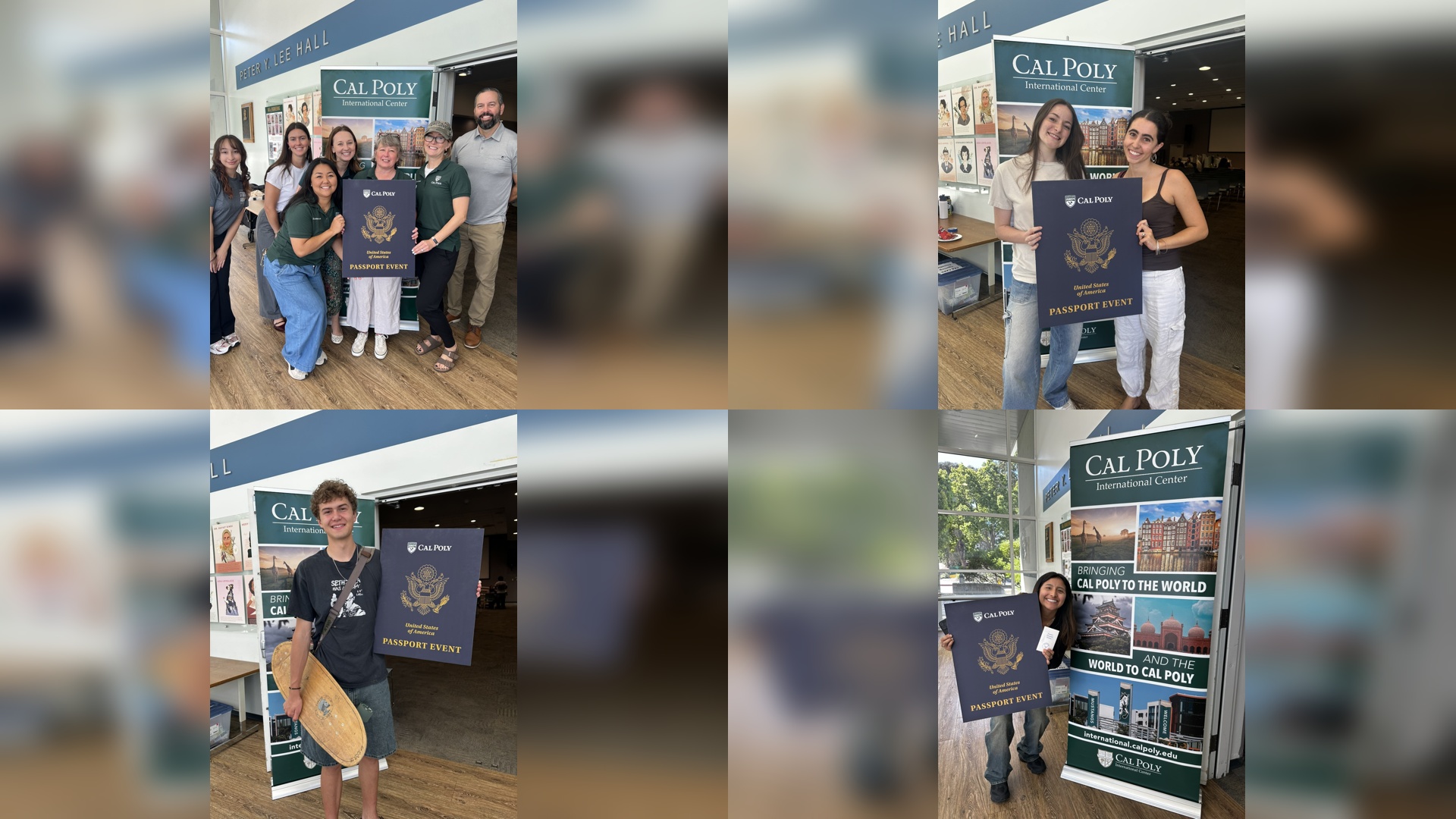
The International Center is helping more members of the campus community realize their dreams of studying, interning and researching abroad. Students, faculty and staff explored global opportunities at Cal Poly’s fifth annual Passport Event, hosted by the International Center on April 8 in the ATL/Keck Lab.
The event helped attendees take an important first step toward international experiences by providing access to first-time U.S. passports and information about global learning opportunities.
Thanks to the generous support of co-sponsors CEA CAPA Education Abroad and all six Cal Poly colleges, over 100 students were offered funding to cover the full $165 application fee for their first adult U.S. passport.
This year’s funded recipients reflected the diversity and broad reach of the program. Of the 104 students offered passport funding, 66% were female and 34% were male. Nearly 70% identified as students of color or multiracial, and 60% were Pell Grant eligible. Students from all six Cal Poly colleges participated, with the largest number of awards going to the College of Agriculture, Food and Environmental Sciences (34), followed by the College of Engineering (22), Bailey College of Science and Mathematics (17), College of Architecture and Environmental Design (14), College of Liberal Arts (11) and Orfalea College of Business (6).
Junior business major Kyle Sueki secured his passport in 2025 with funding from Cal Poly. “Receiving passport funding relieved a lot of financial stress and helped make international opportunities feel more attainable,” Sueki said. “I’m excited to use my passport this fall while studying abroad in Florence, Italy!”
The event reflects Cal Poly’s continued commitment to expanding access to global enrichment and encouraging students to explore the world beyond the classroom.
While funding was reserved for student applicants, faculty and staff were also invited to participate and could apply for a first-time adult U.S. passport through the event registration process, creating avenues for enriching Learn by Doing through global perspectives.
By helping remove financial barriers and increasing access to passports, the Passport Event continues to open doors to the transformative opportunities for the next generation of Mustangs.
Help bring more of Cal Poly to the world
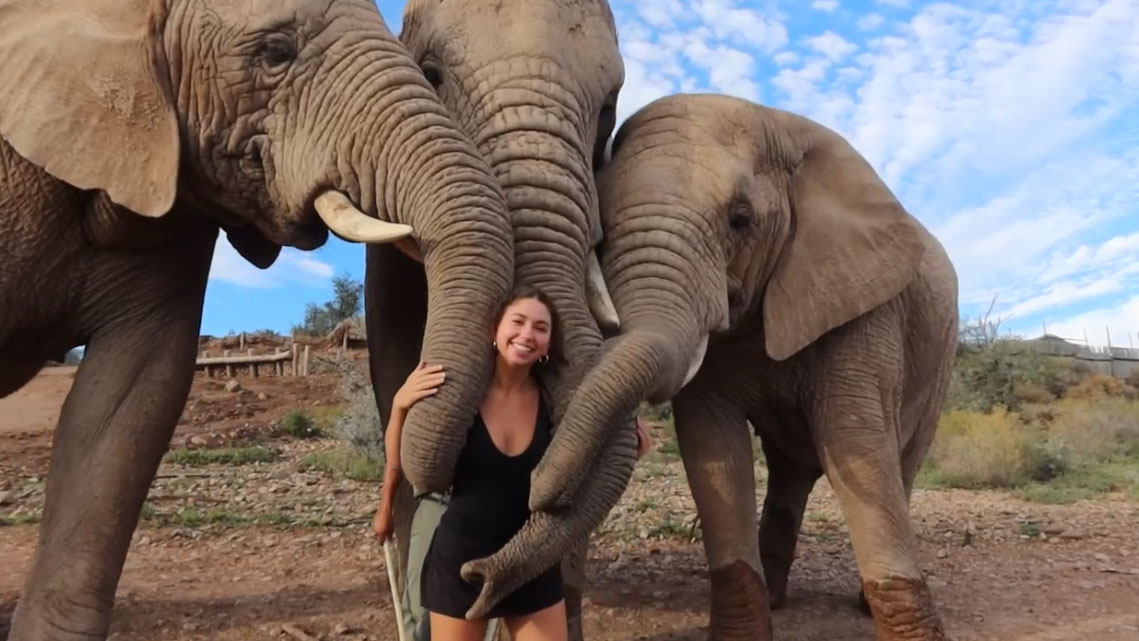
Your gift can improve equitable access to life-changing global experiences, making it possible for students to realize their dreams of studying abroad. Your financial support helps enrich our programming, scholarship offerings and outreach, ensuring that all students have the supportive resources they need to soar. Make a world of difference with your gift today!